The Architecture of a Western Epic
In the sprawling pantheon of Taylor Sheridan’s Yellowstone universe, the flagship series stands as a colossus of modern television—a melodramatic, high-stakes battle for land that plays out like Succession in cowboy boots. It is undeniably gripping, a study in power and corruption set against the purple majesty of the American West. Yet, amidst the noise of helicopters and boardroom betrayals, a quieter, more profound chapter emerged. 1923 does not merely fill in the blanks of the Dutton family tree; it transcends the original saga entirely, elevating the franchise from a prime-time soap opera to a piece of genuine cinematic literature.
While Yellowstone is often constrained by the repetitive cycles of modern land disputes, 1923 breaks the fences. It is a series that understands the mythic weight of the Western genre, trading the localized squabbles of the 21st century for a transcontinental odyssey that feels less like television and more like a lost David Lean epic.
A Canvas Without Horizons
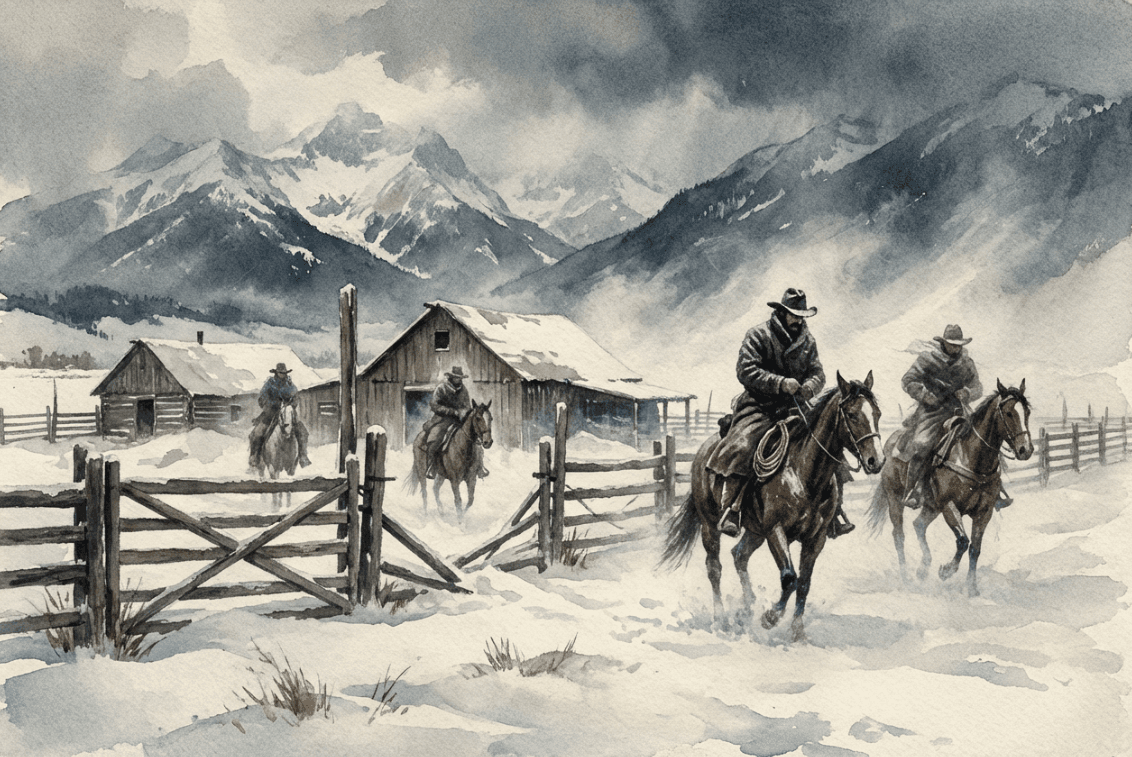
The most striking divergence lies in the sheer ambition of the setting. Yellowstone is claustrophobic by design, trapped within the valley’s political chokehold. 1923, however, paints on a global canvas. It dares to fracture the narrative, splitting its soul between the freezing, unforgiving plains of Montana and the sun-drenched, perilous beauty of the African bush.

This juxtaposition creates a texture rarely seen in serialized storytelling. We are not just watching a rancher defend his property; we are witnessing the post-war disillusionment of the "Lost Generation" through Spencer Dutton. The African sequences are bathed in a golden, dangerous light, evoking the romance of Hemingway and the visual grandeur of Out of Africa. By taking the Dutton spirit out of Montana, the show argues that the frontier is not a place, but a state of being—a relentless struggle for survival against nature, whether it be lions in the savanna or wolves in the snow.
Love in the Time of Prohibition
At the heart of this global adventure beats a romance that shames the toxic, often cynical relationships of the modern timeline. While the love story of Rip and Beth in Yellowstone is compelling in its volatility, it is often marred by trauma and destruction. In contrast, the union of Spencer Dutton and Alexandra is a sweeping, old-Hollywood affair—a collision of souls that feels written in the stars rather than the writers' room.
Their journey is the emotional engine of the series. It captures the reckless abandon of the Roaring Twenties, a desperate grab for life and connection in the shadow of the Great War. Their chemistry provides a softness that balances the show’s brutality, offering a narrative thread that is deeply romantic without being saccharine. It is a reminder that in the face of overwhelming odds, love is the only rebellion that matters.
The Weight of Giants
If Yellowstone relies on the rugged charisma of Kevin Costner, 1923 summons the gravitas of cinema legends. Harrison Ford and Helen Mirren do not simply play Jacob and Cara Dutton; they inhabit them with a weary, iron-clad resolve that anchors every scene.
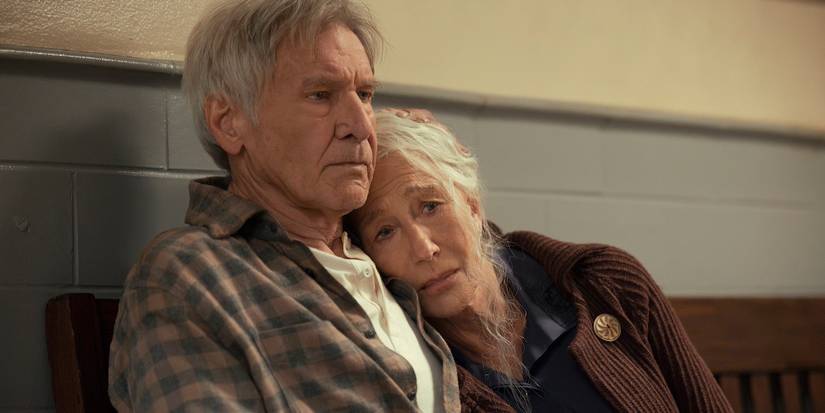
Ford’s Jacob is a man carved from the same granite as the mountains he defends—stoic, violent when necessary, but possessing a vulnerability that comes with age. Yet, it is Helen Mirren’s Cara who is the revelation. She is not merely a supporting wife but the steel spine of the ranch. Her performance offers a nuanced portrait of matriarchy that the main series struggles to articulate. In Yellowstone, power is often loud; in 1923, power is the quiet endurance of a woman waiting on a porch with a shotgun, holding civilization together while the world falls apart.
Visual Poetry and the Ghost of History
Technically, 1923 operates on a different frequency. The cinematography is steeped in the atmosphere of the era—the sepia-toned dust of the depression, the sharp contrast of blood on snow, the flickering gaslight of a world on the brink of modernity. It captures the sensory details of the period: the scratch of wool, the terror of the Spanish Flu, the primitive brutality of early 20th-century range wars.
This attention to atmospheric detail transforms the show into a visual poem. It does not just tell a story; it resurrects a ghost. It captures the tragic beauty of an American West that was dying even as the Duttons fought to hold onto it. Where Yellowstone is a show about preserving a legacy, 1923 is a show about the terrible price paid to build it. It is darker, richer, and infinitely more haunting—a masterpiece that proves the past is not just a prologue, but the main event.