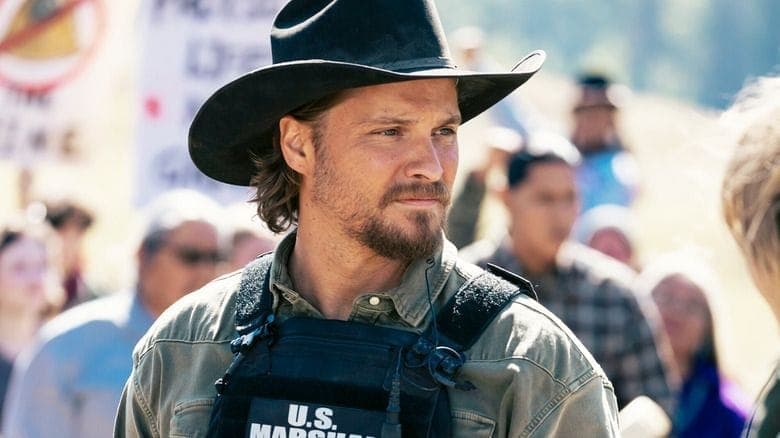
Marshals Season 1, Episode 3:
"Road to Nowhere"
"You can't bring law to land that never agreed to be governed by it."— Kayce Dutton

Official Preview
Source: TV Promos / CBS
Key Moments at a Glance
The Mine Groundbreaking
A contested mine project breaks ground on land claimed by both the reservation and local ranchers, setting off the episode's central conflict.
Shots Fired at the Standoff
A peaceful protest-turned-confrontation erupts in gunfire, forcing the Marshals to intervene and launching a manhunt for the shooter.
Manhunt Across Broken Rock
Kayce's team pursues the shooter across the reservation, navigating both dangerous terrain and a community that doesn't trust federal intervention.
Did the Marshals Make Things Worse?
The episode's central moral question: Did the Marshals' presence suppress the violence or escalate it? Local opinion is divided.
Episode Synopsis
"Road to Nowhere" takes the show into some of its richest thematic territory: the unresolvable collision between land rights, Indigenous sovereignty, corporate extraction, and the limits of federal law enforcement. When a mining company breaks ground on contested land near the Broken Rock Reservation, tensions that have simmered for generations explode into violence.
Kayce finds himself in an almost impossible position: a man who grew up straddling the Dutton ranch and the reservation, now wearing a federal badge, trying to keep the peace between two communities that have every reason to mistrust him. The episode asks whether someone with his history can ever really be neutral — and doesn't offer an easy answer.
Full Episode Recap
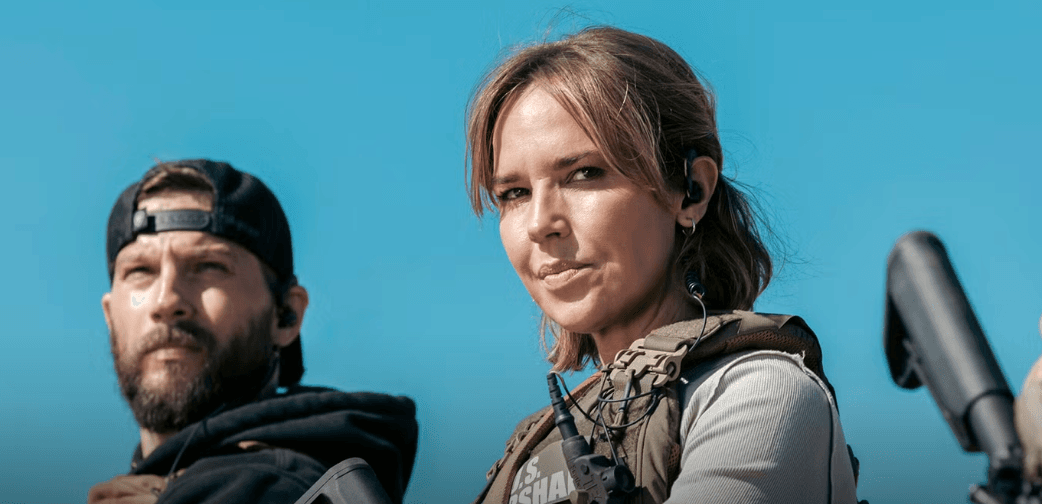
The episode opens durably in the tradition of Yellowstone: with a landscape that seems impossibly beautiful and inexorably contested. The mine groundbreaking ceremony is a powder keg in ceremonial clothing — corporate representatives, state officials, and local ranchers on one side; a gathering of Broken Rock tribal members on the other. Kayce and the unit are there to keep the peace. They should have brought more people.
When the confrontation escalates — voices raised, bodies moving, the specific electricity that precedes mass violence — shots ring out. The episode is deliberately ambiguous about who fires first: the show trusts its audience to recognize that the question of "who started it" is less important than the conditions that made it inevitable. Several people are injured. The Marshals scramble to secure the scene while Cal coordinates with local law enforcement, their jurisdictional overlap becoming its own source of friction.
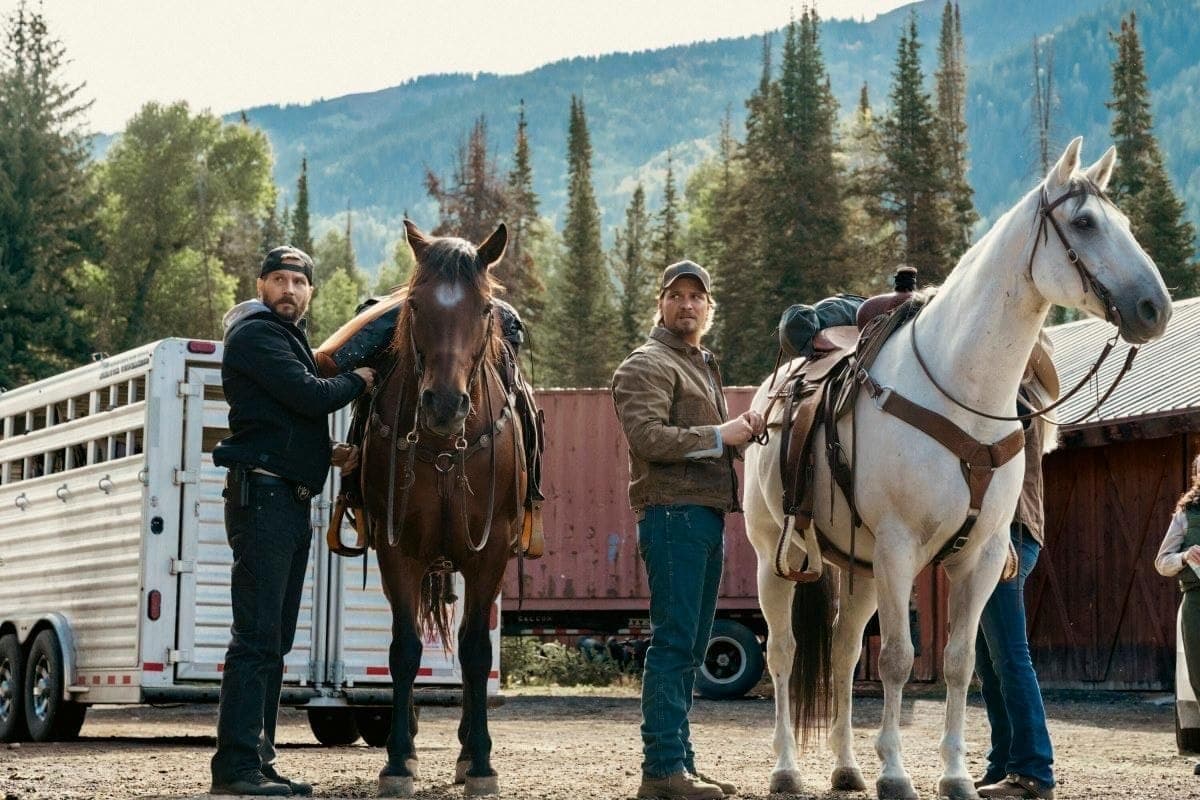
The manhunt that follows takes Kayce into deeply familiar terrain — the reservation, its back roads and treelines and community distrust of outsiders with badges. His status as Monica's husband, as someone who lived on the reservation and raised a child in both worlds, gives him access that a typical Marshal would never have. But it also makes him suspect: to the ranching community, he's "gone Native." To some tribal members, he's a Dutton wearing a federal shield. There is no road through this landscape that leads somewhere clean.
By episode's end, the shooter is captured — but the community tension is unresolved, and questions are already circulating about whether the Marshals' presence made the initial confrontation more volatile. The episode ends on Kayce staring at the mine site in the fading light, the machinery and the mountain behind it in perfect, uncomfortable coexistence.
Character Development
Kayce — Between Two Worlds, Again
Episode 3 deliberately echoes the core tension of Kayce's arc in Yellowstone: he was always torn between his Dutton identity and his life with Monica on Broken Rock. But where that conflict was romantic and personal, this version is institutional and political. He can't be neutral. He can try to be fair. Those are different things.
Thomas Rainwater — Navigating Federal Presence
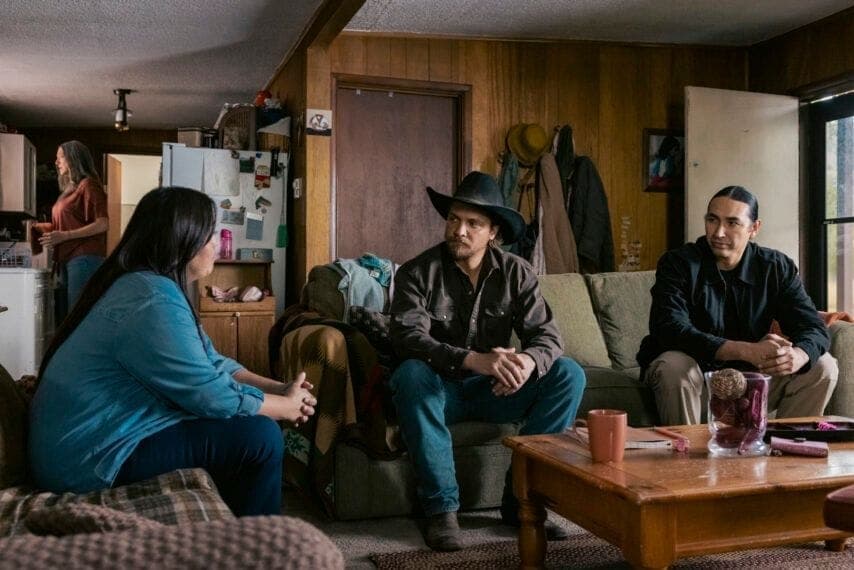
Gil Birmingham's Rainwater is a man who has spent his entire career navigating institutions that were designed to work against him. His skepticism of the Marshals unit is not paranoia — it's history. His scenes with Kayce carry the weight of a relationship built on grudging mutual respect across the original series.
Andrea Cruz — Institutional Idealism
Ash Santos's Andrea gets meaningful character work in Episode 3 as the team member who most believes in the system — who thinks the Marshals can actually be a neutral force for good. Her arc in this episode is a gentle, painful education in the limits of that belief.
Yellowstone Universe Connections
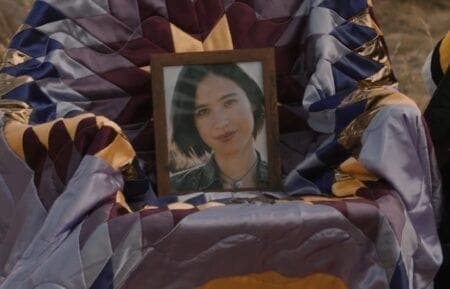
- ◆Mining vs. land rights: The toxic waste subplot that killed Monica in the premiere and the mine conflict in Episode 3 form a thematic throughline: external extraction industries treating the reservation as a sacrifice zone, the core environmental justice theme that runs through the entire Yellowstone universe.
- ◆Kayce on Broken Rock: Kayce's history on the reservation — where he lived with Monica and raised Tate — makes him a unique figure in the federal law enforcement landscape, echoing the dual-citizenship tension that defined his storyline across all five seasons of Yellowstone.
- ◆Rainwater's political positioning: Rainwater's careful navigation of the crisis — neither fully endorsing nor condemning the Marshals — is consistent with how the character operated throughout the original series, always maximizing tribal advantage while operating within impossible political constraints.
Frequently Asked Questions
What happens in Marshals Episode 3 "Road to Nowhere"?
In "Road to Nowhere," a mine groundbreaking ceremony on disputed land near the Broken Rock Reservation erupts into a violent confrontation between tribal members and local ranchers. When gunfire breaks out, Kayce's Marshals unit intervenes and launches a manhunt for the shooters. The episode raises questions about whether the Marshals' heavy-handed federal presence escalated the crisis rather than resolving it, deepening tensions between Kayce's unit and the local community.
What is the mine controversy in Marshals?
The mine at the center of Episode 3 represents a classic Yellowstone-universe conflict: corporate extraction interests clashing with Indigenous land rights. The groundbreaking ceremony on contested land—land with overlapping tribal claims and ranching history—becomes the flashpoint for the week's violence, echoing the toxic waste storyline that killed Monica in the series premiere.
Does the community trust the Marshals in Episode 3?
No. A key theme of "Road to Nowhere" is community skepticism toward the Marshals unit. Locals — both from the reservation and the ranching community — question whether the Marshals' intervention suppressed the violence or provoked it. This distrust is a direct consequence of Kayce being an outsider figure who carries the Dutton name, which means different things to different people in Montana.
Who is involved in the standoff in Marshals Episode 3?
The standoff primarily involves members of the Broken Rock Reservation asserting their land rights against a group of local ranchers who see the area as their ancestral territory. When the confrontation turns violent and shots are fired, the Marshals unit — led by Kayce — works to identify and capture the shooter(s) responsible, with the investigation raising uncomfortable questions about the origins of the conflict.